About the Institute
More than a century of setting the standard for administrative and business management.

Our Story
A professional body, not a training company
The Institute of Administrative Management was founded in 1915 and has spent more than a century on a single proposition: that administration is a profession, that it can be described, taught and assessed, and that the people who do it deserve a body that says so.
Our motto — Non Sibi Sed Toti, not for oneself but for all — is the reason the Institute exists as a professional body rather than a training company. Everything we publish serves the profession as a whole: the standards that define it, the code of ethics that protects it, the membership framework that recognises it, and the programmes that teach it.
Standing
Registered, recognised, and verifiable
The Institute is an approved professional body on HM Revenue and Customs’ List 3, so UK members may claim tax relief on their subscription, and a registered learning provider on the UK Register of Learning Providers, UKPRN 10064134. Every credential it awards can be verified by anyone, free, at any time.
Our history
From a London forum in 1915 to a worldwide professional body
The Institute's authority to set professional standards rests on an institutional history that begins in 1915, when Lawrence R. Dicksee — a chartered accountant who taught accounting and business methods at the London School of Economics — founded the Office Machinery Users' Association in London. As the work of the office widened — from machinery to method, from method to management — so did the Institute, through eleven decades of continuous service to the profession.
One year into the First World War, the Institute begins life as the Office Machinery Users' Association (OMUA), formed in London by Lawrence R. Dicksee — the chartered accountant who taught accounting and business methods at the London School of Economics — to address the effectiveness of office and administrative work as office machinery replaced paper-based methods in wartime.
The OMUA merges with the British Works Management Association to become the Office Management Association (OMA). A year earlier, the declaration of intent that would define the Institute for the next eighty years had been set down: what is an office manager, how may their status be improved, and how may industry be shown the importance of engaging them? In 1936 the OMA announces its first programme of studies and examinations.
By the outbreak of war the OMA is firmly established, with over 600 members across five branches. Through the Second World War it plays a role of national importance: council member D. G. Robertson, as Head of the Treasury Investigation Department, spearheads the Cabinet's edict that every government department secure expert advice on the best use of its staff.
The OMA publishes the first Clerical Salaries Analysis with the London School of Economics (1942), advises on British Standards for office organisation and practice (1943), and publishes pioneering guides to payroll methods and the brand-new PAYE tax system (1944). In 1947 the forerunner of Manager — 'Office Management: Journal of the OMA' — appears, and by 1950 companies such as Unilever, ICI, Philips, Shell-Mex, BP, and J. Lyons & Co. are contributing know-how to its publications.
The OMA becomes the Institute of Office Management (IOM). Membership grows from 1,000 in 1954 to 4,000 by 1965, as the Institute pioneers professional engagement with the computer age — a one-day conference on small computers in 1963, and a five-day 'Computer Appreciation' course so oversubscribed in 1965 it had to be repeated.
The IOM takes its present name: the Institute of Administrative Management. The following year the IAM produces ten television programmes on administrative management for the BBC, with an accompanying textbook by Oliver Standingford, one of the Institute's first Presidents.
Membership reaches 10,000 (1984). The Institute launches a fully revised modular qualifications scheme (1989), its Continuing Professional Development Scheme — with roots in the very first meeting of 1915 — in 1994, and holds its first Graduation Days at Stationers' Hall in London and in Hong Kong (1995). In 1996 Manager: the British Journal of Administrative Management is launched.
The IAM launches the BA (Hons) in Strategic Administrative Management (2003), celebrates its 90th anniversary (2005), introduces National Qualifications Framework programmes (2006), rebrands (2008), and welcomes the Institute of Professional Administrators into the IAM (2010).
Following a period of difficulty, the Institute is purchased by the awarding organisation Industry Qualifications, is re-launched with the support of Companies House and key stakeholders, and marks its centenary in 2015 — one hundred years of inspiring professionals.
The IAM becomes independently operated under its new administration, renewing the Institute's governance and setting the direction for its modern professional framework.
The Institute publishes its refreshed framework — the IAM Professional Standards, Code of Ethics, Membership and CPD Regulations — and opens worldwide centre recognition for the IAM Certified Programmes.
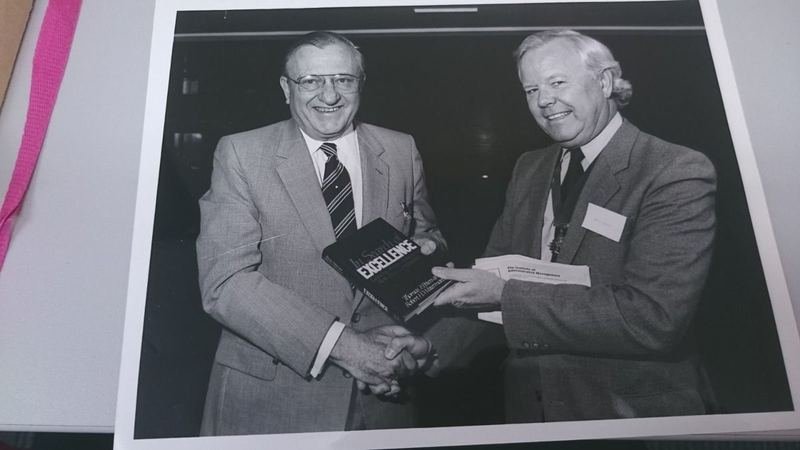
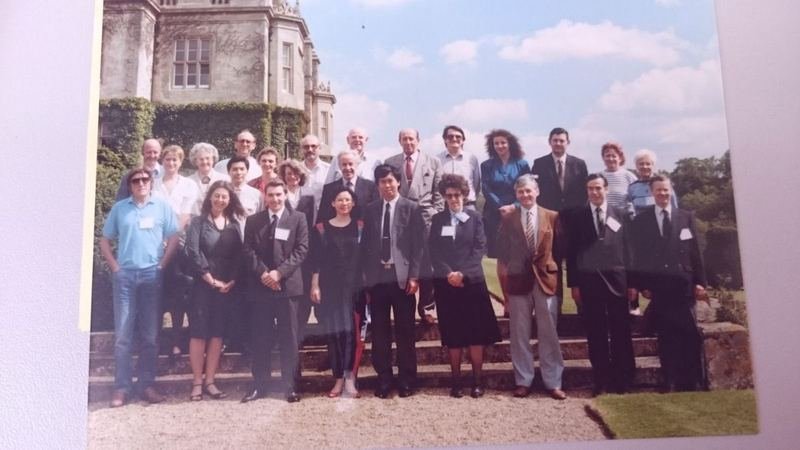
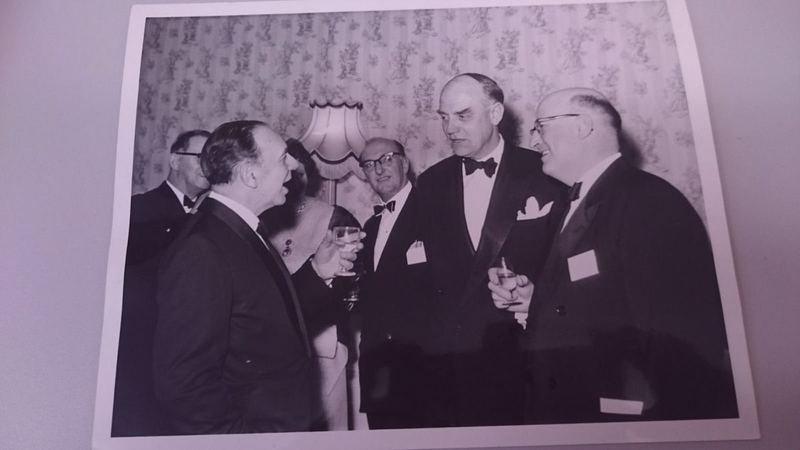
From the Institute’s archive
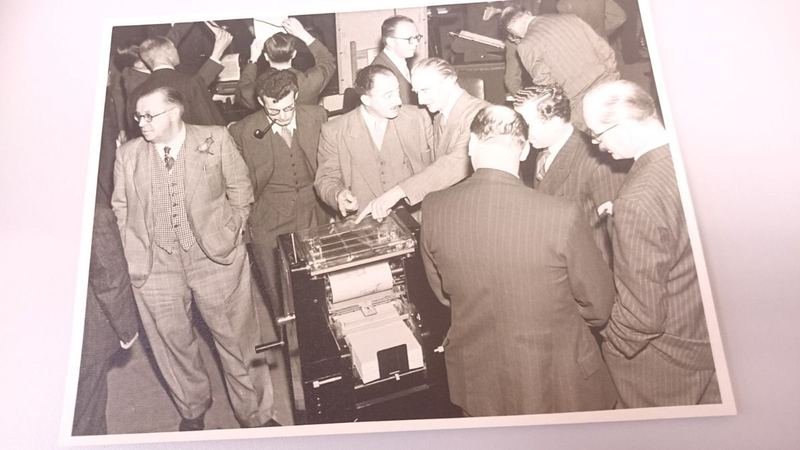
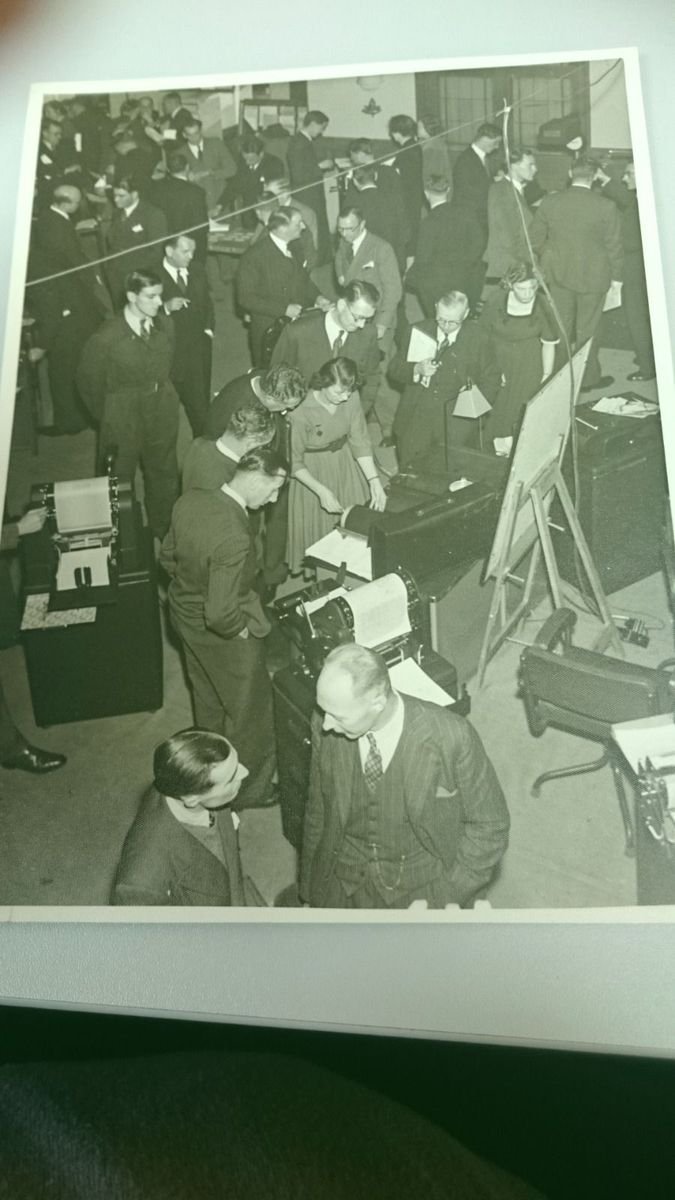
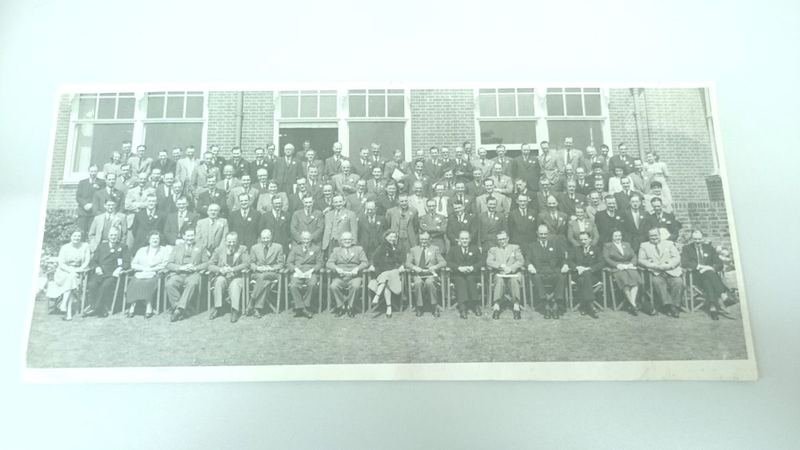
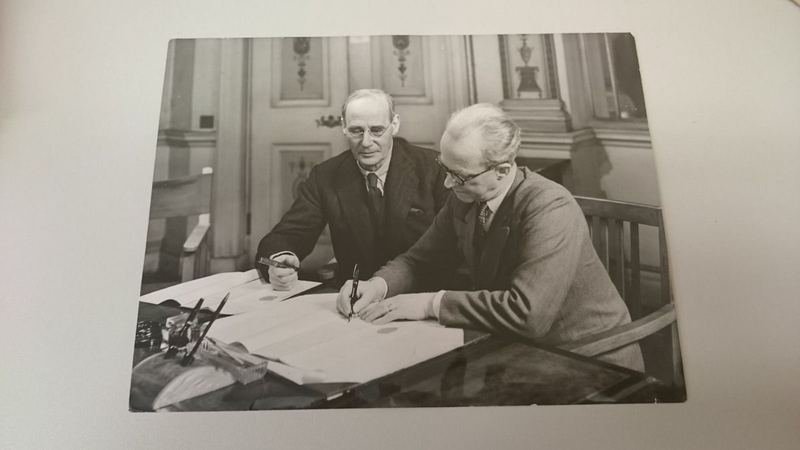
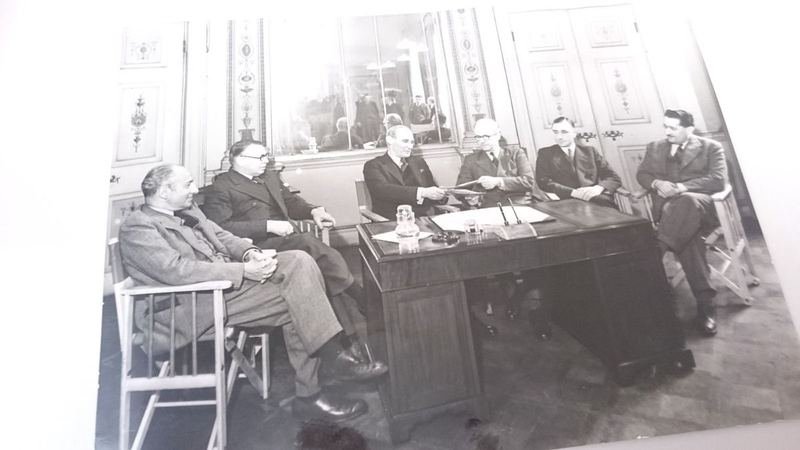
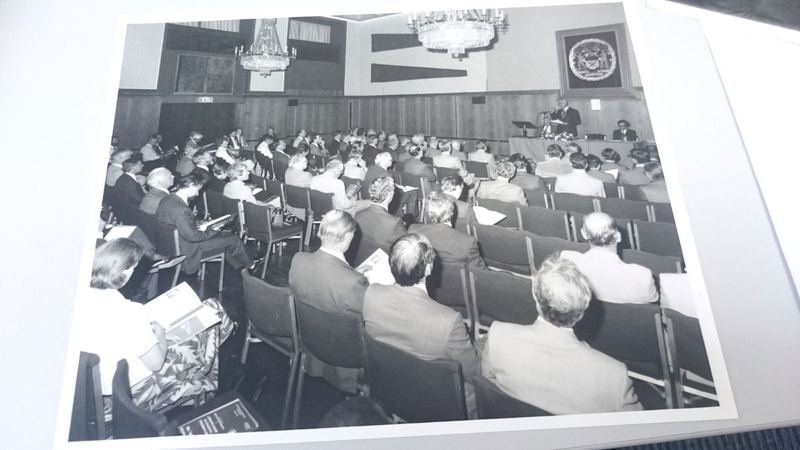
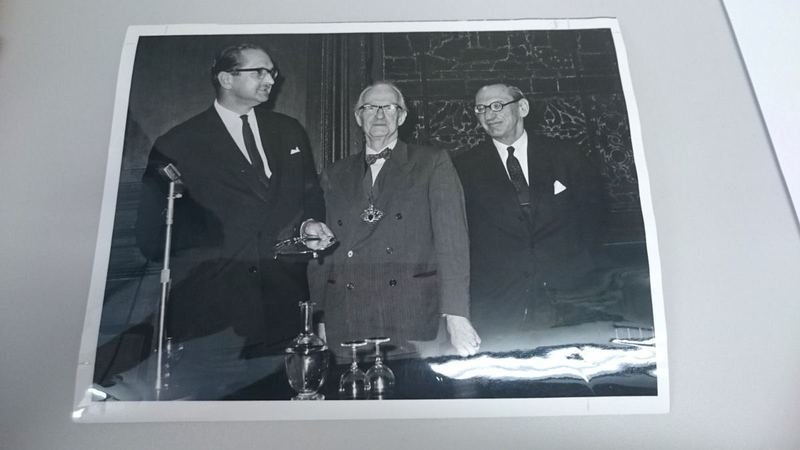
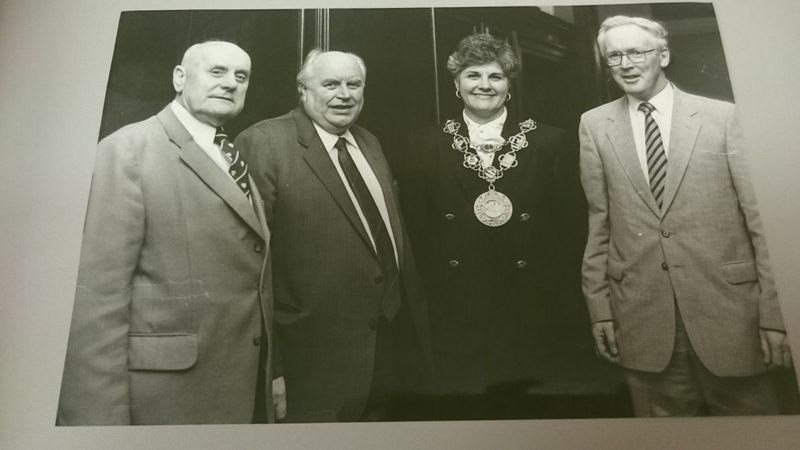
The Institute today
The framework in numbers
IAM Certified Programmes
From Essentials Foundation to Strategic Leader
Masterclass programmes
Live and taught, on three levels, 54 PLH each
CPD Professional Courses
Fifty at each of the five membership grades
Practice Library lessons
Sixty at each grade, fifteen to twenty minutes each
Role Mastery courses
Four families, three bands, a designation for the role you do
Competency Domains
The published description of the whole discipline
Assessed grades
AInstAM, MInstAM, FInstAM, SFInstAM
Routes to every grade
Certified Programme, prior learning, experience
The Foundation
The IAM Professional Standards
The IAM Professional Standards for Administrative Management define the profession through seven Competency Domains. Every professional is expected to show competence across all seven, though depth and emphasis vary by role, specialism, and Career Stage. Every membership grade, Certified Programme, and Masterclass is written against them.
| # | Competency Domain | In brief |
|---|---|---|
| 1 | Administrative Operations and Office Management | Design, delivery and improvement of administrative systems, processes and working environments; records; quality and service levels; business continuity. |
| 2 | Communication and Stakeholder Engagement | Professional communication across all channels; meeting facilitation; executive, board and committee support; confidentiality. |
| 3 | Digital Proficiency, Technology and Data | Digital tools and platforms; data management and analytics; AI and automation governance; information security; digital accessibility. |
| 4 | People Development, Leadership and Teamwork | Team leadership; performance management; coaching and mentoring; EDI and neurodiversity; wellbeing; distributed teams. |
| 5 | Financial Acumen and Resource Management | Budgeting and variance analysis; cost management; resource planning; procurement decisions; sustainability in financial decision-making. |
| 6 | Governance, Risk and Organisational Compliance | Governance structures; policy and compliance; risk management; data protection; ESG reporting; audit readiness. |
| 7 | Strategy, Innovation and Professional Advocacy | Strategic analysis and planning; innovation; change leadership; evidence-based practice; advocacy and thought leadership. |
The Standards also define four assessed Career Stages — Practitioner, Professional, Strategic Professional, and Strategic Leader — each aligned to a membership grade and a Certified Programme, with a Progression Matrix describing the competence expected at each intersection of domain and stage.
Professional Conduct
The IAM Code of Ethics
The IAM Code of Ethics sets out nine Principles and applies to members and candidates alike. It is taught within every Certified Programme at the pitch of the Career Stage — the practitioner's judgement, the manager's climate, the senior leader's policy and precedent — and it carries the own-work rule that governs every submission.
Compliance with the Code is a condition of membership and of enrolment on every IAM programme. It is the reason the Institute can stand behind a certificate.
Our Documents
A published framework
The Institute's framework rests on four core public instruments, each on a two-year review cycle:
- IAM Professional Standards for Administrative Management
- IAM Code of Ethics — nine Principles for members and candidates
- IAM Membership Regulation — grades, admission, and Good Standing
- IAM CPD Regulation — the continuing development obligation
How the Institute is governed All documents on the IAM Portal
Take your place in the profession
Explore the membership framework, or see how the Certified Programmes teach the discipline at every career stage.